I never completely did…on purpose!
I often listened to friends talk about growing up. Usually it meant being a little older so they could stay out later, drive a car, have a girlfriend, live alone, have their own money and their own rules. Growing up represented freedoms with little thought given to the affiliated responsibilities.
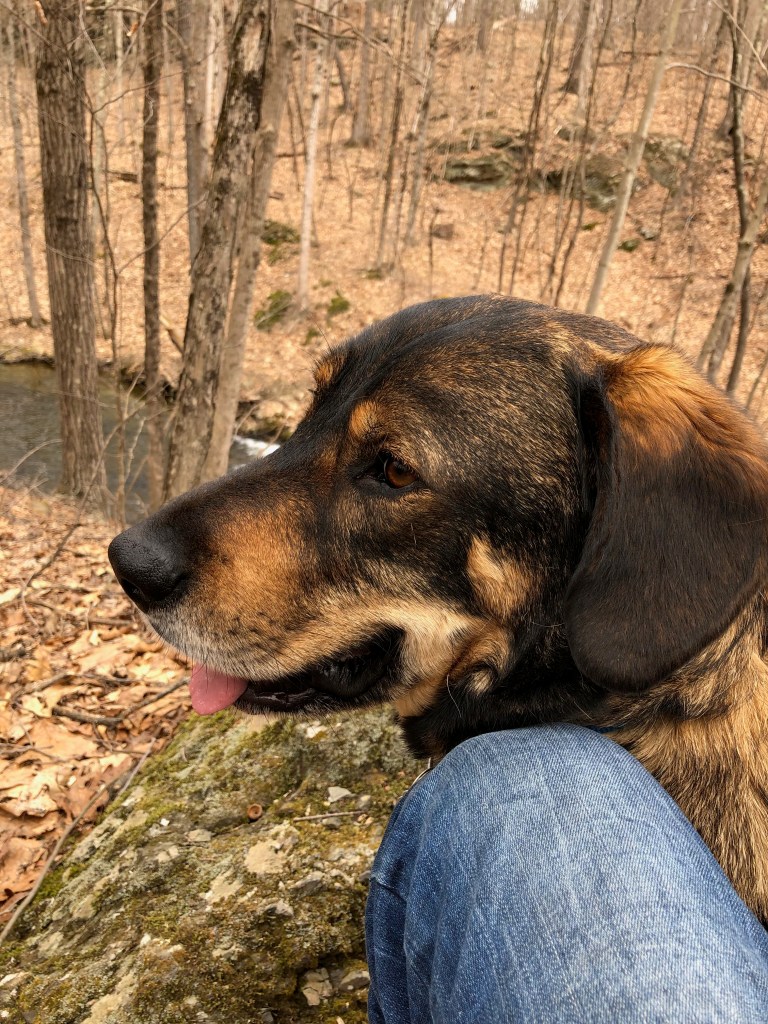
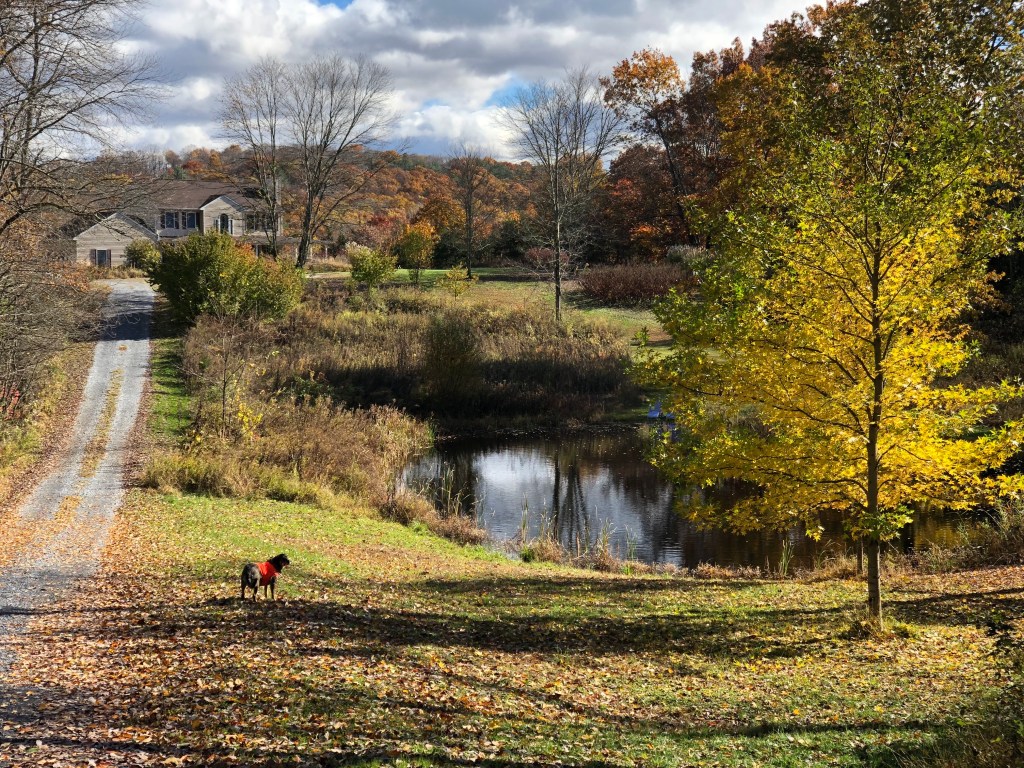
When asked what I wanted to do when I grew up I would immediately remind myself to find something into which I could weave a sense of play. (And my play would often occur in the woods near our development, with or without friends, but almost always with my dog.) Play to me was the freedom that others found in more “mature” pursuits.
I always wanted to be superman or, if that position was already filled, Daredevil.
I really never had a calling. I knew what I didn’t want to do when I grew up. I didn’t want to have to wear a suit and tie to work each day and I didn’t want to do boring, routinized work.
When I reached college, I took liberal arts courses for as long as I could and then, when faced with a need to declare a major, I took a career survey offered to those of us who were undecided about a clear direction or purpose. While I scored high in social careers, especially in helping people, the unquestionable recommendation for me was to become a forest ranger! Imagine that! Even though it was indicated that I would be successful working in groups and among people, my destiny also appeared to be in a solo connection with the woods, an isolated steward of the environment. And, since my school didn’t offer that major I chose by default, elementary education. Thus began my answer to the question, “What do you want to do when you grow up?”
As my family and friends and colleagues all know, I’ve loved every part of my career in education and in my subsequent work as a leadership trainer and coach. But, today, despite my part-time coaching work with area school districts and social service organizations, I find myself living alone, playing in the woods (almost always with my dog), and caring for my twenty-two acres of forest. And while I have grown older, since I’m still doing what I always loved as a child, perhaps I’ve redefined growing up!
What did you want to do as a child when you grew up?
When I Grow Up…
I remember as a kid wondering what I would be when I grew up. Today it’s a cowboy, yesterday I wanted to be a fireman(when I was a kid occupations were gender specific- there were no firefighters or flight attendants or female actors). And tomorrow I might decide to be a doctor(one of the few professions where gender wasn’t specific, along with lawyer and teacher). Maybe professions weren’t gender assigned but occupations were. Interesting! Anyway, as my childhood moved into my teen years I really hadn’t given much thought to my future, just whether I’d make it home from school in time to watch American Bandstand. Or whether I would see the Beatles on The Ed Sullivan show for their premiere engagement in the US. Those things were important , more so than plotting out my future.
Then college came and I sort of fell into education because I had an aunt and a brother who became teachers. Not a whole lot of forethought and planning went into it. I just kind of followed suit and fortunately discovered that not only did I enjoy it but I was good at it!
So with the marching of time came new opportunities. Now what? Marriage, a family, a house- all new and exciting adventures and steadily they all were accomplished. So now what? Long years passed, slowly at first but more quickly as more years piled up. What will I be when I grow up turned into did I grow up and now what? Life got in the way, big changes occurred and now retirement was approaching. What will I be was replaced by what will I do now?
And suddenly a new career was in front of me with a whole new set of challenges and rewards. But now in my 8th decade(how the hell did that happen?) the rewards are fewer and farther between when weighed on the scale of my youth and the challenges are more physically connected- like can I get out of the chair, or will my knee give out. But weighed on a new scale smaller rewards have greater joys, like it being ok to take time to have a leisure lunch with a friend or smell the familiar and comforting fragrance when you open the door to your own house. These are real pleasures even if the smell is of your dog or old laundry- it is yours!
But I guess the question of what will I be when I grow up is still valid. There is always more growing up to do but in a much more limited time frame. Now, I’ve lost friends and family members and my immediate family consists of three of us- no more huge family gatherings that I used to love because they are all gone. It puts into question how much more growing up is left. How much more quality time is left. How much more rewards are left as opposed to challenges and health concerns. Well, we’ll know as it happens now, but the question of what will I be when I grow up is no longer something for the distant future anymore. It is here and now. Now I have to live in the here and now and take the challenges, pleasures and rewards as they come and with gratitude. And that isn’t such a bad thing. Too bad I couldn’t have learned that sooner but I was too worried about what I would be when I grew up!
When I Grow UP
How interesting it is that when you are a kid, the phrase ‘When I grow up…’ is usually followed by ‘I want to be a [insert occupational choice] ‘. Like Hen and Geo, my journey started with fantasy picks and developed through a series of realistic trade-offs. Seems like we followed a similar arc – and I’d guess that most people do. If you had asked, I would have stated that I’d be ‘grown-up’ by age 24. Little did I suspect that I’d be husband and father by 21. Lots of practical decisions had to be made. My evolution of job choices went something like this:
- Tribal elder and scout: No good: I didn’t have a tribe
- Aircraft designer: It’s what I thought my Dad did
- Artist: It’s what I thought my Mom did
- Anthropologist: Find out what the Etruscans did – but no, too much travel
- Psychologist: Maybe I should help others figure out what to do
- Process analyst: How do things get done, anyway?
- Manager: Which things should get done?
- Consultant: Help others get things done (which turns out to be a key component of #7)
In college, I studied anthropology and psychology. When I concluded that studying other cultures might make for an irregular home life, I decided to focus on helping other people make up their minds on occupational goals. Hen talked about how a vocational work-up seemed to have captured some enduring interests. My Dad had the same experience doing an occupational profile at NJIT many years ago, and it sort of predicted his career as a liaison engineer. I figured, well, maybe I could be one of those folks who created those tests. Graduate school offered an opportunity to specialize in that area. Two graduate degrees and the first chapter of a PhD dissertation completed, I painted myself into a corner: too specialized for my employer’s needs and family life too compromised by constant commuting to Manhattan. So, additional adjustments were required over the years: positions in Human Resources, Management Training, Planning, and Operations. It was fine — I enjoyed the challenge of learning new jobs. My last assignment allowed me to work with other cultures to reshape business processes and applications – didn’t meet any Etruscans, though…
Through all that and the busy-ness of family life, the main focus for me was to be task oriented, sometimes to the detriment of relationships and good social judgment. Retirement has freed-up time to consider what type of person I can still BECOME. Hopefully, I’d like to think that I’ve grown up, grown old, but am still growing out…